Workwear Embroidery vs Printing: Which Is Right for Your Crew?
A small logo on a work shirt and a large business name across a T-shirt's back have different requirements. Treating them as the same branding job can lead to an uncomfortable garment, an unclear design or a finish that does not suit the fabric.
When comparing workwear embroidery vs printing, consider the garment and the job it needs to do first. Then choose a decoration method that suits the artwork, placement and care routine.
How embroidery and printing differ
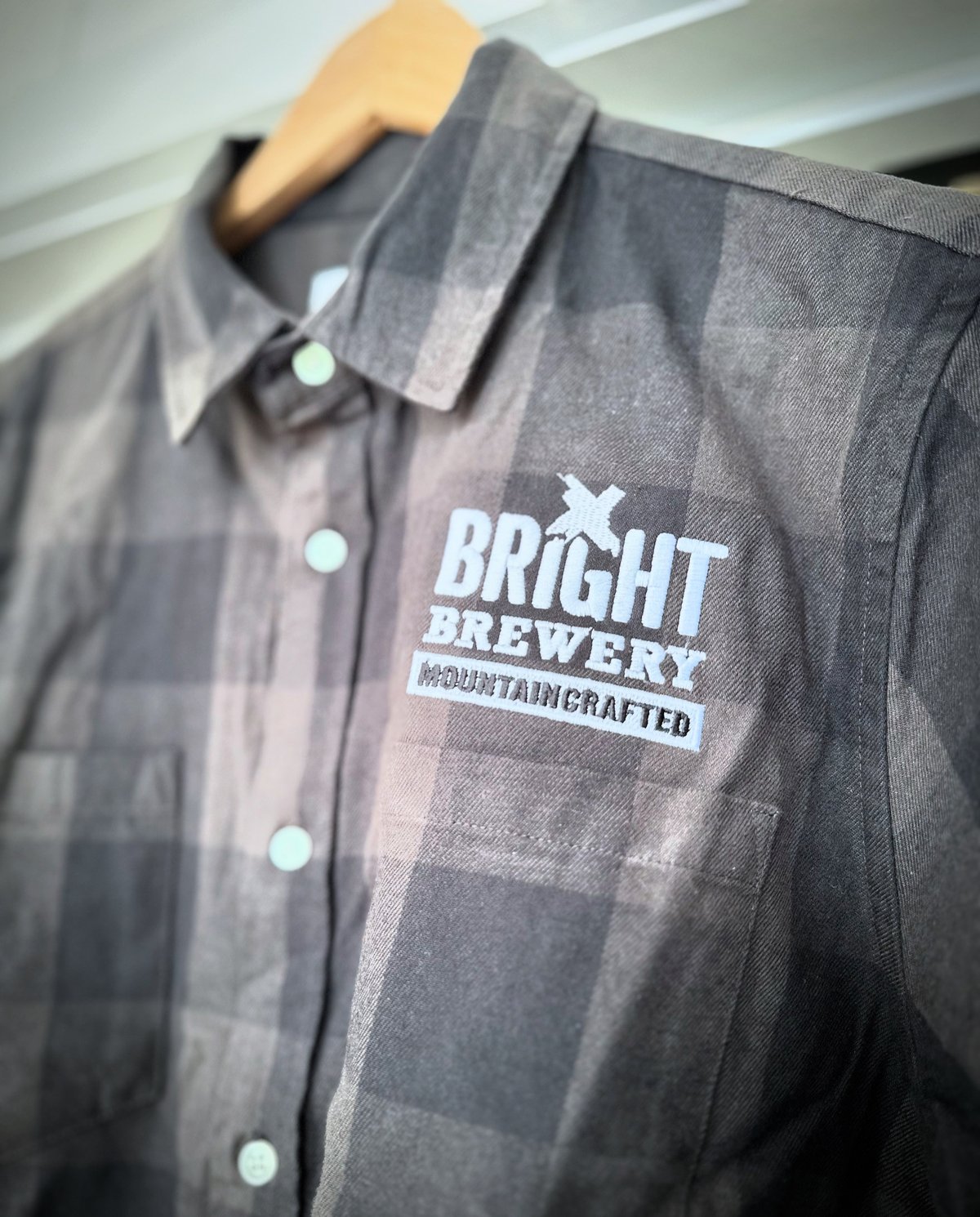
Embroidery forms the design with stitches. It creates a textured finish and is commonly used for company logos and names on suitable shirts, polos, jackets and caps.
Printing applies artwork using a process such as screen printing or digital printing. It can be useful for larger graphics, full-colour designs and information that needs to be read from further away.
Both can produce effective workwear branding. The right choice depends on the specific combination of garment, artwork and application.
When embroidery is a good fit
A compact chest logo on a sturdy work shirt is a typical embroidery application. The stitched finish can also suit a supervisor's polo, a branded cap or selected outerwear.
Clear shapes and readable lettering tend to translate more effectively into stitches than very small text, fine lines or photographic detail.
The artwork must be digitised into instructions for the embroidery machine. This is more than saving a logo in another file format: stitch direction, density and the fabric all affect the outcome.
Our commercial embroidery service can help assess whether the logo needs simplifying for the chosen size.
Large, dense embroidery can add stiffness and weight. On lighter garments, a smaller design or a different decoration method may be more comfortable.
When printing is worth considering
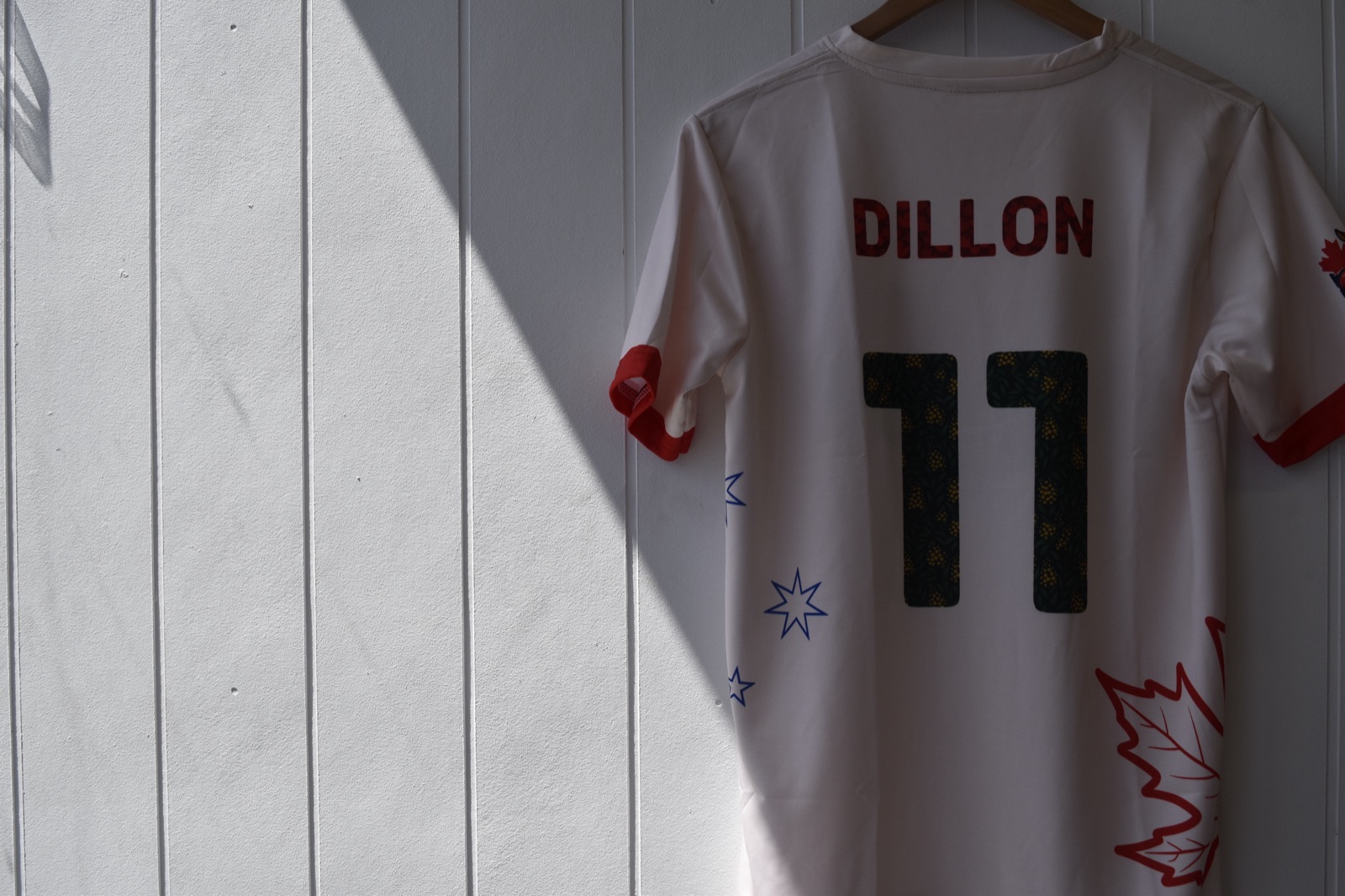
Printing can work well for prominent back branding, a detailed logo or a design that is difficult to reproduce in thread.
For example, a landscaping business might choose a modest chest mark and a larger back design so the company name is easier to see while the crew works.
DTF printing provides an option for detailed, full-colour artwork on suitable garments. For bulk orders with repeated artwork and fewer colours, screen printing is also worth comparing.
Print coverage affects feel. A large solid printed area behaves differently from a small logo, so consider how much decoration is necessary on clothing worn during physical work.
Compare the practical differences
Appearance. Embroidery: Textured stitched finish. Printing: Varies by ink or print process.
Common use. Embroidery: Chest logos, names and suitable headwear. Printing: Back graphics, detailed logos and larger messages.
Artwork limits. Embroidery: Fine details may need simplifying. Printing: Detail depends on process, size and fabric.
Comfort. Embroidery: Dense stitching can stiffen an area. Printing: Large print coverage can affect garment feel.
Main cost factors. Embroidery: Stitch count, size, quantity and digitising. Printing: Process, print area, colours, locations and quantity.
Garment choice. Embroidery: Needs suitable fabric and construction. Printing: Needs compatibility with the chosen print process.
Let the work environment guide garment selection
A customer-facing service team may need different clothing from an outdoor maintenance crew. Consider movement, temperature, layering and how the garments are washed.
Choose the workwear first, then assess the branding. Pockets, seams, zips and panels can limit placement.
For hi-vis or protective clothing, provide the garment specifications and your employer's or site's requirements before approving decoration. Ask for the proposed branding to be assessed for that specific garment and application.
Our workwear embroidery and hi-vis printing service can help coordinate garment selection and logo placement.
You can use different methods across the uniform range
A consistent uniform does not require the same process on every item. You might embroider a polo, print a work tee and use a smaller stitched logo on a cap.
Keep the logo proportions, placement logic and colour references consistent, while allowing each garment to use a suitable method. Thread, fabric and printed colours can look different, so review the proposed finish rather than expecting identical appearances across materials.
Prepare a brief that makes quoting easier
Send your logo, garment requirements, quantities, sizes, preferred placements and deadline. Include staff names in a checked list if you want personalisation.
Ask for an itemised quote and clear care instructions. For repeat orders, keep the approved garment codes and artwork details so future requests are easier to identify.
To outfit your crew, request a workwear quote with your uniform list and how the clothing will be used.
Frequently asked questions
Is embroidery more durable than printing?
There is no universal winner. Durability depends on the garment, decoration process, application quality, working conditions and washing routine. Choose a suitable combination and follow the supplied care instructions.
Can we combine embroidery and printing on our uniforms?
Yes, where the garment and placements allow it. A small embroidered chest logo and a printed back design can serve different purposes. Each placement should be assessed before production.
Can every logo be embroidered without changes?
Not always. Very small text, fine lines and photographic detail may need simplifying. Review the proposed size and digitised design before approval.