Embroidered vs Printed Hoodies: Which Lasts Longer?
It’s one of the first questions that comes up when ordering custom hoodies: embroidery or print?
Both can look great on day one. The real difference becomes clearer months later, after regular wear, repeated washing, and the occasional trip to the bottom of a gym bag.
So, which lasts longer? Here’s how embroidery and the most common hoodie printing methods hold up over time and how to choose the right option for your order.
How Embroidery Holds Up
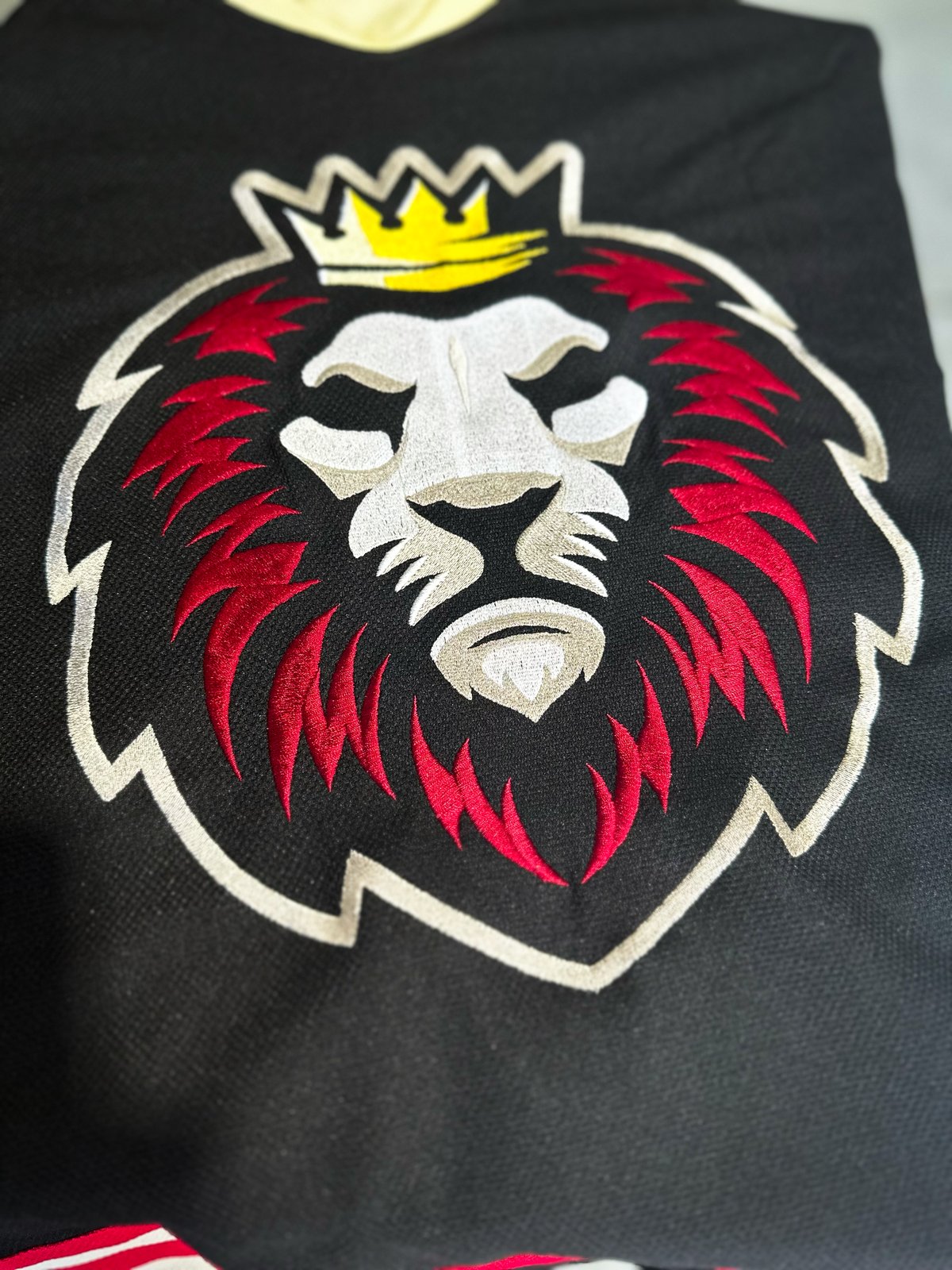
Embroidery stitches your design directly into the fabric using thread rather than applying ink or a transfer to the surface. Because the thread is stitched into the garment, embroidery is highly resistant to the cracking and peeling that can affect some printed designs.
Strengths:
- Extremely resistant to cracking, peeling and fading
- Handles repeated washing without quickly losing definition
- Creates a textured, premium finish that works particularly well for hoodie chest logos, uniforms, caps and workwear
- A strong choice for garments designed for frequent, long-term use
Weaknesses:
- Threads can loosen or fray if snagged on zippers, Velcro, machinery or other sharp surfaces
- Not ideal for very fine detail, gradients or photo-realistic artwork
- Larger embroidered areas can add stiffness and weight to the garment
- Complex designs may require simplification before they can be embroidered effectively
For a simple logo that needs to survive years of regular wear (think staff uniforms, workwear or a hoodie someone wears every week), embroidery is usually the more durable option.
How Printed Hoodies Hold Up
“Printed” can mean more than one decoration method, and durability varies depending on the process, garment, print quality and how the hoodie is cared for.
Screen Printing
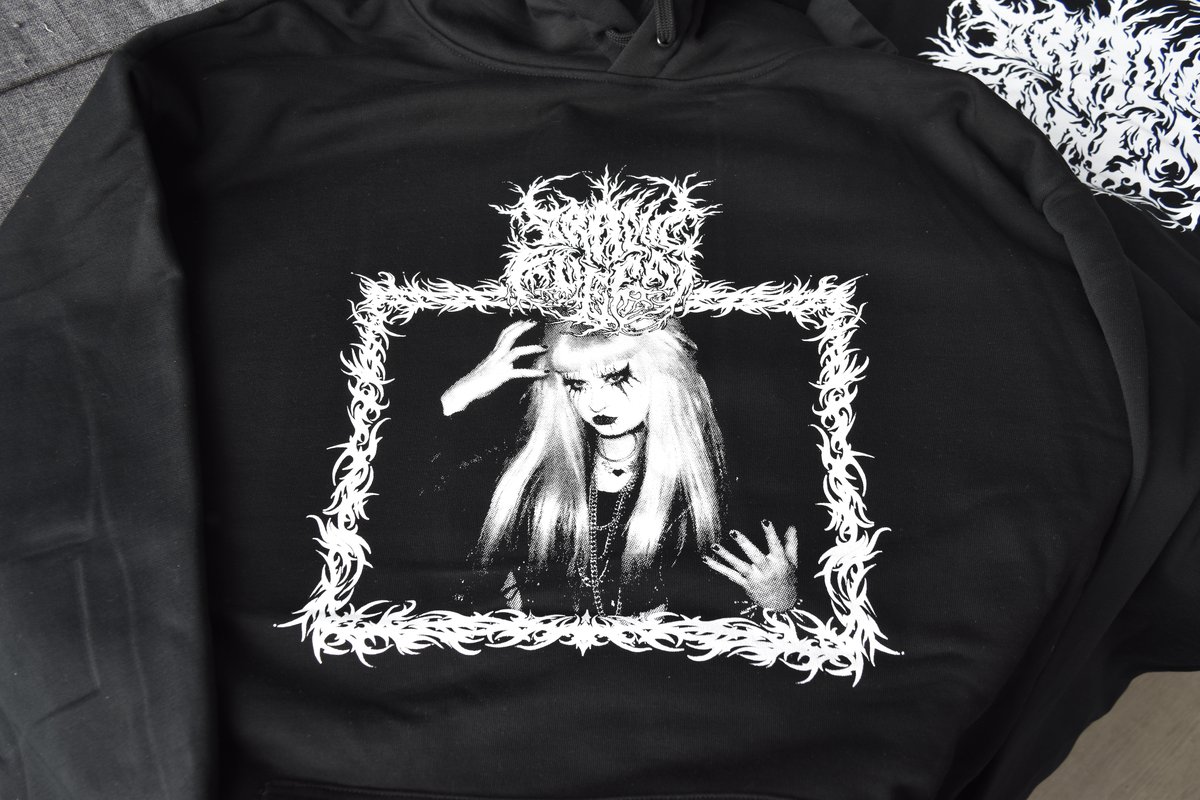
Screen printing applies ink to the fabric through a mesh stencil. A properly cured screen print is extremely durable and can remain in good condition for years.
It’s particularly well-suited to bold designs, logos and larger runs where the same artwork is being printed across multiple garments. Screen printing starts at 25 units per design, since a screen has to be made for each colour, so it comes into its own once you are ordering in volume.
DTF Printing
DTF (direct-to-film) printing transfers a printed design onto the garment using heat and pressure. Modern DTF works particularly well for detailed, multi-colour artwork and designs that would be difficult or expensive to reproduce with embroidery.
It also allows much more flexibility when it comes to gradients, fine lines and complex graphics.
Strengths of printed hoodies:
- Suitable for full-colour, highly detailed and complex artwork
- Better suited to large graphics, particularly front and back hoodie designs
- No heavy stitched area or added stiffness
- Often more practical for artwork containing multiple colours or fine details
Weaknesses:
- Some prints can gradually crack, fade or peel with repeated wear and washing
- Printed areas are generally more sensitive to high temperatures
- Ironing directly over the print or regularly tumble drying at high heat can shorten its lifespan
- Print quality and durability can vary significantly depending on the printing method and production quality
Embroidery vs Printing: Which Actually Lasts Longer?
For a simple logo or smaller design, properly applied embroidery generally has the edge when it comes to long-term durability. There’s no printed surface layer to crack or peel, making it particularly suitable for uniforms, workwear and frequently worn hoodies.
But that doesn’t mean printed hoodies are short-lived.
For designs with more colours, fine details or larger print areas, DTF printing or properly cured screen printing can deliver an excellent result and hold up for years when cared for correctly.
In fact, many cases of prints cracking or fading prematurely come down to a combination of print quality and laundry habits. Washing garments inside out, avoiding excessive heat and not ironing directly over the design can significantly extend the life of decorated apparel.
For more tips, see our guide to washing screen-printed and embroidered apparel.
When embroidery isn't the right call
Embroidery looks premium, but it doesn't suit every design. Big, bold logos stitch beautifully (think of the New York Yankees cap). Here's where it goes wrong:
- Fine detail and tiny text. Thread can't hold thin lines or small lettering, so they blur together.
- Curved surfaces like cap fronts. Detailed designs distort as they're stitched onto the curve.
- Big designs on tees. Large embroidery needs backing, which makes a lightweight tee stiff and scratchy against your skin.
For detailed artwork, a woven patch (made flat so it holds far more detail, then sewn or pressed on) or a print is often the better choice. We'd rather point you to the right option than the most expensive one. Send us your design and we'll tell you straight.
Choosing the Right Method for Your Hoodie
The best option depends on what you’re printing and how the hoodie will be used.
Choose embroidery if:
- Your logo is relatively simple
- You want a premium, professional finish
- The hoodie will be worn regularly as workwear or a uniform
- Long-term durability is the main priority
- The design is relatively small, such as a chest logo
Choose printing if:
- Your artwork contains multiple colours or gradients
- You need fine details that would be difficult to embroider
- You’re printing a large front or back design
- You want a lighter finish without the stiffness of a large embroidered area
- Your artwork is better suited to screen printing or DTF
There isn’t one method that’s automatically better for every hoodie. Embroidery wins for durability and premium small logos, while screen printing and DTF give you much more freedom with larger and more detailed artwork.
Not sure which method suits your design? Get in touch with the team at Melbourne Merch. We’ll help you choose the right decoration method based on your artwork, order size, budget and how the hoodies will actually be worn.