Hoodie Fabric Guide: Fleece Weight & Blend Explained
If you've ever scrolled through a blank hoodie supplier's catalogue and hit a wall of numbers and acronyms (280 GSM, 80/20 cotton-poly, brushed fleece, French terry), you're not alone. Fabric specs matter more than most people realise. They decide how a hoodie feels against the skin, how it holds up to washing, how warm it is, and how well it takes print or embroidery.
This guide breaks down the two things that matter most when choosing a hoodie fabric: weight and blend. By the end, you'll know exactly what to look for before your next custom order.
What Is GSM, and Why Does It Matter?
GSM stands for grams per square metre. It's the standard measurement for how much fabric weighs per unit of area. It's the single best indicator of how thick, warm, and durable a hoodie is going to feel.
Here's a rough breakdown of what different GSM ranges mean for hoodies:
- 180–220 GSM (Lightweight): Thin, breathable, and great for layering or warmer climates. These hoodies feel almost like a heavy t-shirt and are popular for gym wear or spring/autumn ranges.
- 280–320 GSM (Midweight): The most common range for everyday hoodies. Enough structure to hold its shape, warm enough for most of the year, and versatile for both casual wear and custom printing.
- 340–400+ GSM (Heavyweight): Thick, substantial, and built for cold weather or a premium streetwear feel. These hoodies drape well, resist pilling, and often become a customer's go-to "worn until it falls apart" piece.
For most Australian brands and businesses ordering custom hoodies, 280–320 GSM hits the sweet spot, warm enough for Melbourne winters without being unwearable in spring.
Fleece Types: Not All Fleece Is Equal
"Fleece" isn't one fabric. It's a knitting and finishing technique, and the type used changes the feel of the hoodie dramatically.
Brushed Fleece
The inside of the fabric is mechanically brushed to raise the fibres, creating that soft, fuzzy texture most people associate with a classic hoodie. It's warm, cosy, and traps heat well, making it a favourite for winter merch and streetwear drops.
French Terry
A looped, unbrushed fleece that's lighter and more breathable than brushed fleece. It has a slightly textured inside face rather than a fuzzy one. French terry is a great choice for a hoodie that needs to work in warmer weather or for a more premium, tailored look.
Loopback Fleece
Similar to French terry but typically slightly heavier, loopback fleece is popular in higher-end streetwear for its clean drape and durability. It holds its shape well over repeated washes, which matters if you're building a hoodie that represents your brand long-term.
Cotton vs Polyester: Understanding the Blend
Most hoodie fabric is a blend of cotton and polyester, and the ratio changes how the garment performs.
100% Cotton
Soft, breathable, and has the most premium natural feel. The trade-off: cotton is more prone to shrinkage, takes longer to dry, and can lose shape faster than blended fabric. Best suited to lower-volume, premium product lines where feel matters more than heavy-use durability.
Cotton-Poly Blends (80/20 or 50/50)
The industry standard for a reason. Blending in polyester adds shrink resistance, improves shape retention, and speeds up drying time, while the cotton content keeps the fabric breathable and soft. An 80/20 blend leans closer to a natural cotton feel; a 50/50 blend is more hard-wearing and budget-friendly, which is why it's common for bulk workwear and event merch orders.
100% Polyester
Rare in fashion hoodies but common in performance or activewear fleece. It's moisture-wicking, quick-drying, and holds colour well, but doesn't have the same soft handfeel as cotton-based fabric.
Why Fabric Choice Affects Your Print or Embroidery
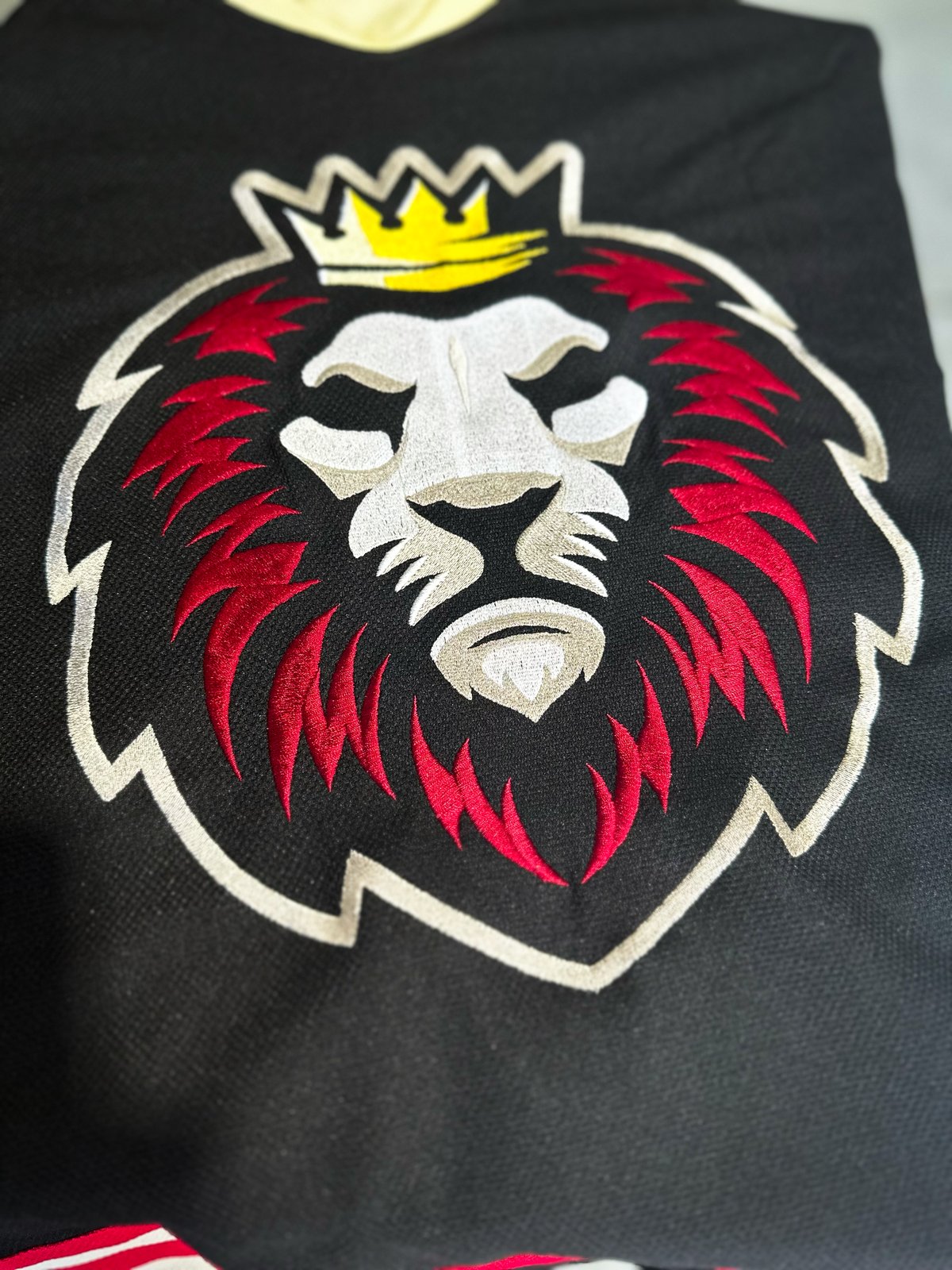
Fabric isn't just about comfort, it directly affects how your logo or design looks on the finished hoodie, and how well that decoration survives being worn and washed week after week (see our guide to washing screen-printed and embroidered apparel for more on that side of it).
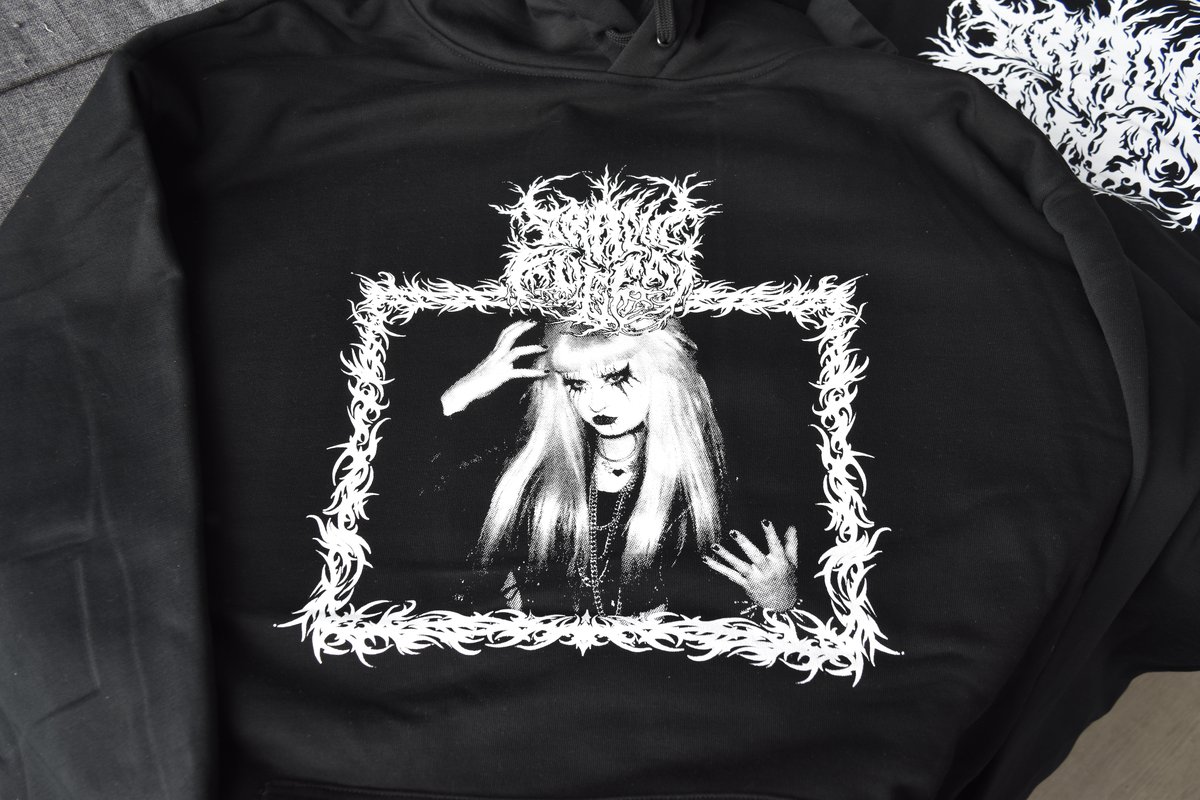
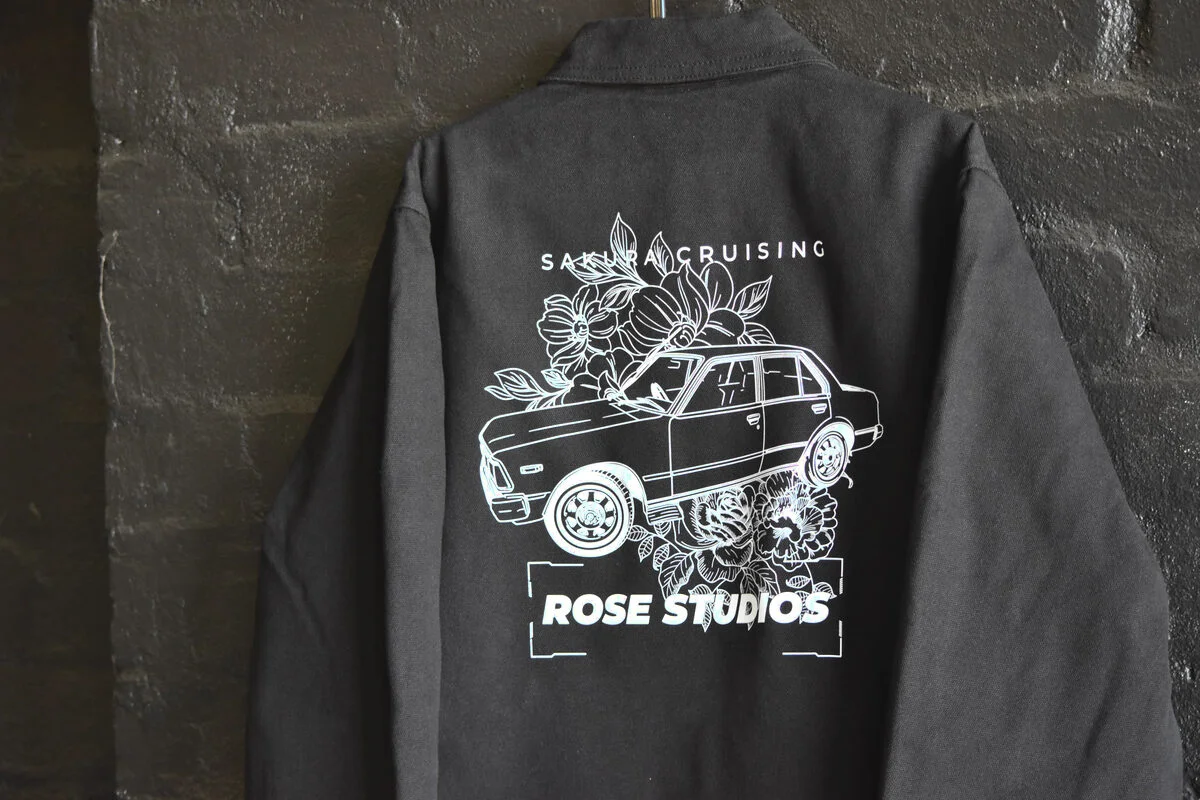
- Screen printing and DTF transfers sit best on a smoother, tighter-knit fabric. Heavily brushed fleece can slightly soften fine detail in a design.
- Embroidery needs a fabric with enough weight and stability to support stitching without puckering; this is where midweight-to-heavyweight blends (280 GSM+) perform best.
- Colour vibrancy tends to be stronger on cotton-rich blends, since cotton takes dye and ink more readily than polyester.
If you already know how you want your hoodie decorated, it's worth mentioning that to your supplier before you lock in a fabric. The right base garment makes the finished result look sharper and last longer.
Quick Reference: Choosing the Right Fabric
| Priority | Best Fit |
|---|---|
| Everyday wear, all-round balance | 280–320 GSM cotton-poly blend, brushed fleece |
| Premium, soft-hand feel | 100% cotton or 80/20 blend, brushed fleece |
| Warmer climates / layering | 180–220 GSM, French terry |
| Cold-weather or heavyweight streetwear | 340+ GSM, loopback fleece |
| Bulk workwear or event merch | 50/50 cotton-poly blend |
| Detailed embroidery | 280 GSM+ blend for stitch stability |
Final Thoughts
There's no single "best" hoodie fabric, the right choice depends on your climate, your budget, your decoration method, and the impression you want your merch to leave. Understanding GSM, fleece type, and blend ratio means you're no longer guessing when you place an order. You're making an informed decision that matches the product to its purpose.
Ready to put this into practice? Browse our range of hoodies and sweats to see the weights and blends we work with, and get in touch when you're ready to start your custom run.