
How to Wash Screen-Printed and Embroidered Apparel (Care Guide)
You just dropped good money on custom merch. Team kit, event tees, branded workwear - whatever it is, it looked mint on day one. Then it goes through a few hot washes and suddenly the print's cracking, the thread's fraying, and the shirt that was meant to last a season looks like it's been through a war.
Nine times out of ten, that's not a print or stitching problem. It's a laundry problem.
Screen printing and embroidery are tough, durable decoration methods when they're washed properly. Here's how to actually do that.
Turn It Inside Out Before It Goes In The Machine
This is the single biggest thing you can do to protect a print or embroidered logo. Washing garments inside out means the print and stitching aren't taking direct friction from zippers, buttons, and other garments in the load. It also cuts down on fading, since the printed or embroidered surface isn't facing the agitation and detergent head-on.
Wash Cold, Always
Hot water is the enemy of screen print inks. Heat softens the ink layer, which makes it more prone to cracking, peeling, and stretching out of shape in the wash. Cold water (30°C or below) keeps the ink stable and helps colours - both on the garment and in the print - stay true for longer.
Embroidery holds up to heat better than screen print does, but if a garment has both (a printed design plus an embroidered logo, for instance), cold water is the safer call across the board.
Skip The Fabric Softener
Fabric softener coats fibres in a waxy residue that breaks down print adhesion over time and can make embroidery threads look dull and matted. It also reduces the moisture-wicking properties on performance and sports fabrics. If you want soft garments, buy soft blanks - don't rely on softener to do it after the fact.
Turn The Dryer Down (Or Skip It)
Tumble dryers are rough on both screen print and embroidery. High heat cracks ink and can shrink garments unevenly, which puts stress on stitched areas and pulls at embroidery threads. Air drying is the safest option for anything with a print or embroidered logo. If you need the dryer, use low heat and pull garments out while they're still slightly damp.
Don't Iron Directly On A Print Or Embroidery
If a printed or embroidered garment needs an iron, turn it inside out first, or iron around the design rather than over it. Direct heat from an iron can melt or distort screen print ink and flatten embroidery stitching. If you're using an iron on the reverse side, keep it on a low-to-medium setting and avoid the steam setting directly over embroidered areas.
Don't Bleach It
Bleach and chlorine-based stain removers will strip colour from both the garment and the print, and they'll degrade embroidery thread fast. Stick to a standard detergent, and treat stains with a gentle stain remover applied to the fabric - never directly onto a printed or embroidered area.
Wash Similar Colours Together
Standard laundry advice, but worth repeating for merch specifically: dark garments and light garments should be washed separately, especially in the first few washes. This isn't about protecting the print - it's about protecting the blank fabric from dye transfer, which can dull a design just as much as a cracked print can.
If you're kitting out a team, a staff uniform run, or an event crew, one person's ruined shirt is annoying. Fifty ruined shirts is a reorder. Passing on a simple one-page care guide with a bulk order - or printing it into your onboarding pack - is a cheap way to protect the investment and keep your team merch or corporate uniforms looking sharp for the length of a season, not just the first month.
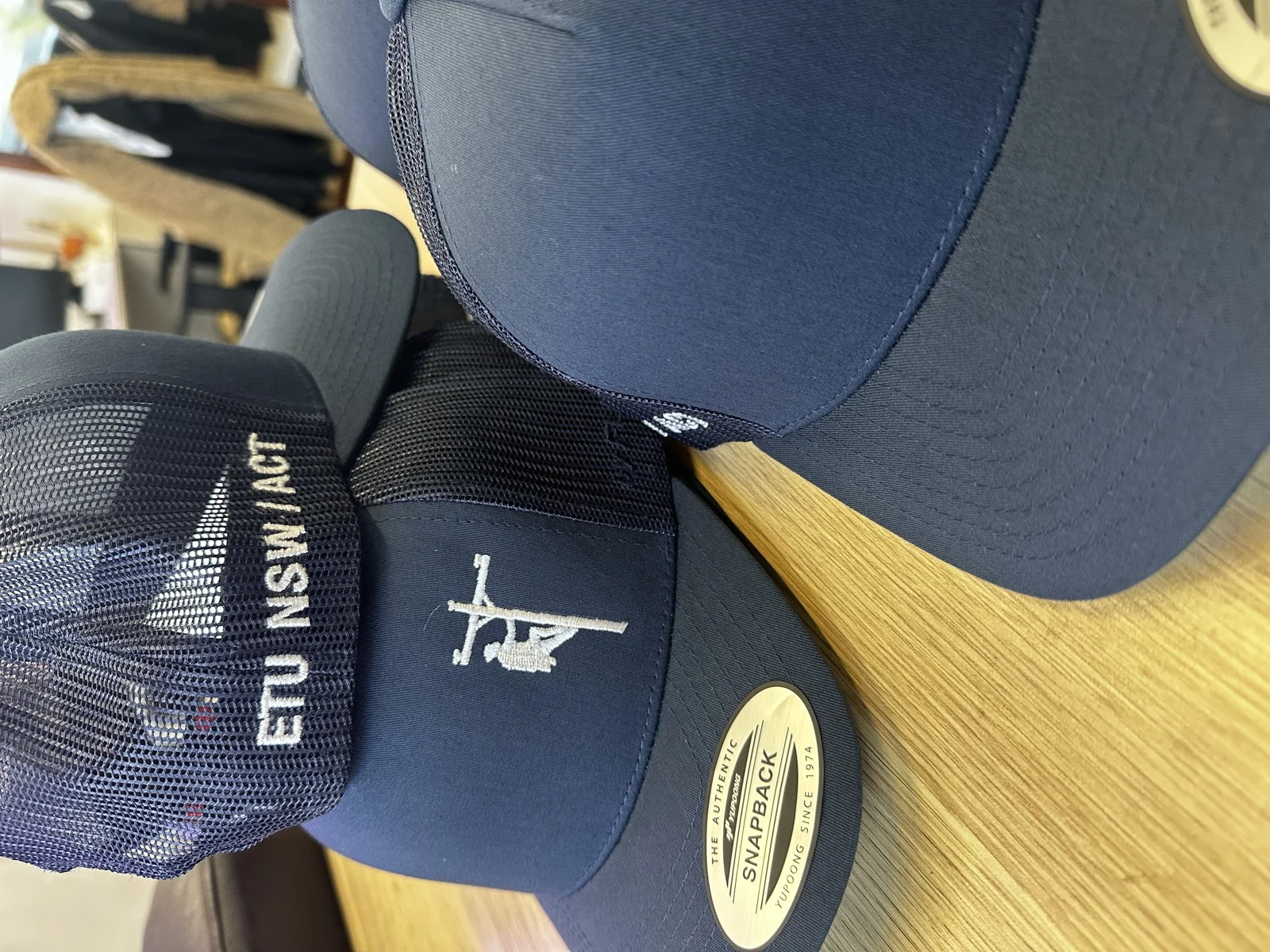
It's also worth knowing that the decoration method affects durability from the start. Screen printing lays down a thick, opaque layer of ink that's built for repeat washing when garments are cared for properly, while embroidery is stitched directly into the fabric, which is part of why it holds up so well on caps, polos and workwear that get washed constantly.
If you're deciding between the two for an upcoming order, our guide on screen printing vs DTF breaks down how each method performs over time.
Get It Right From The Start
Care instructions can only do so much if a garment wasn't printed properly in the first place. Cheap ink, under-cured prints and shortcut stitching will crack and fray no matter how carefully you wash them. That's why every job that leaves our Moorabbin workshop goes through proper curing and quality checks before it ships - screen print, embroidery or DTF.
If you've got a run coming up - team kit, staff uniforms, or merch for an event - get a quote and we'll talk you through the best method and blank for how hard the garment's actually going to be worn and washed.