Tattoo Flash on Tees: Turning Client Designs into Wearable Merch
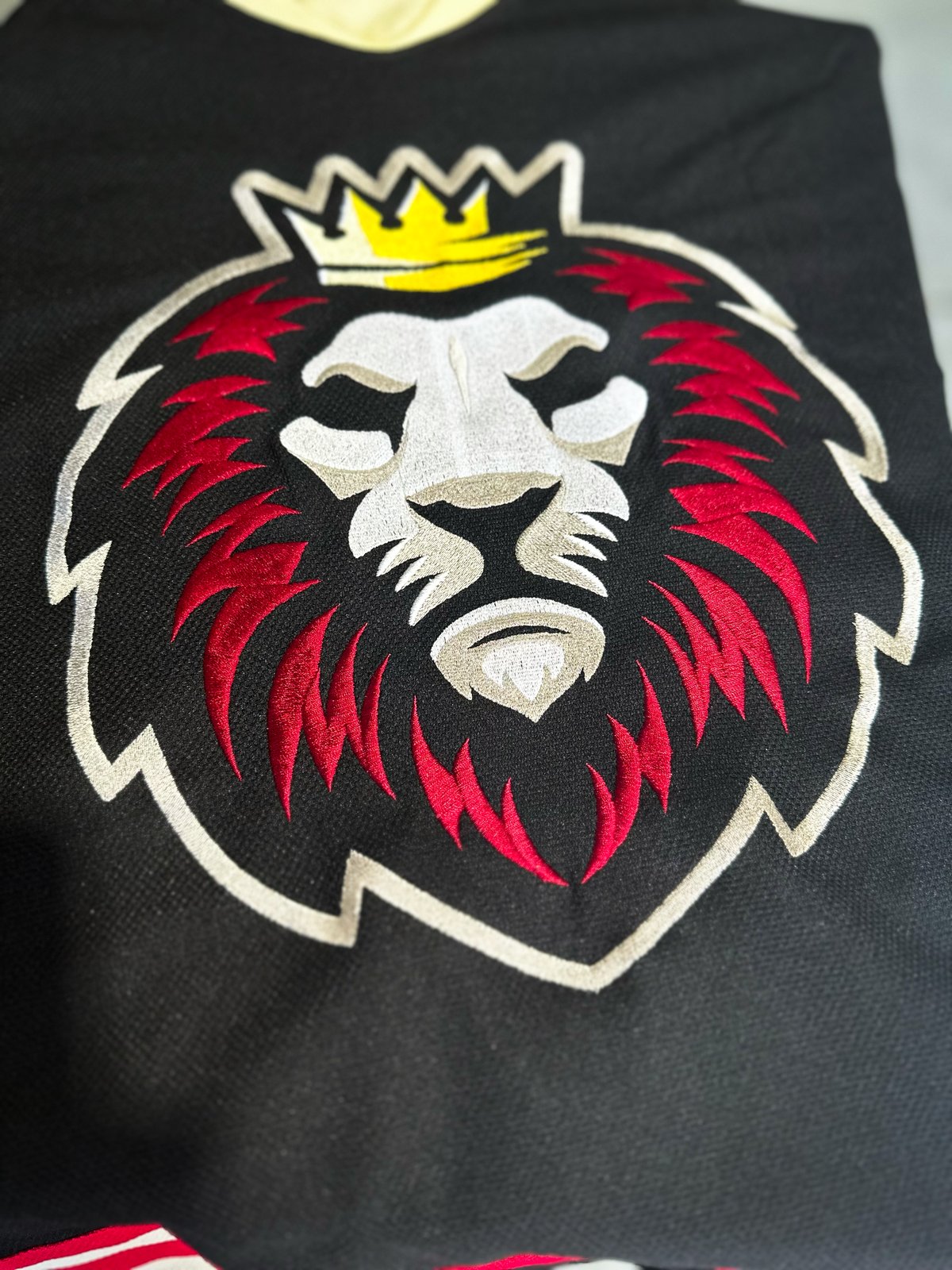
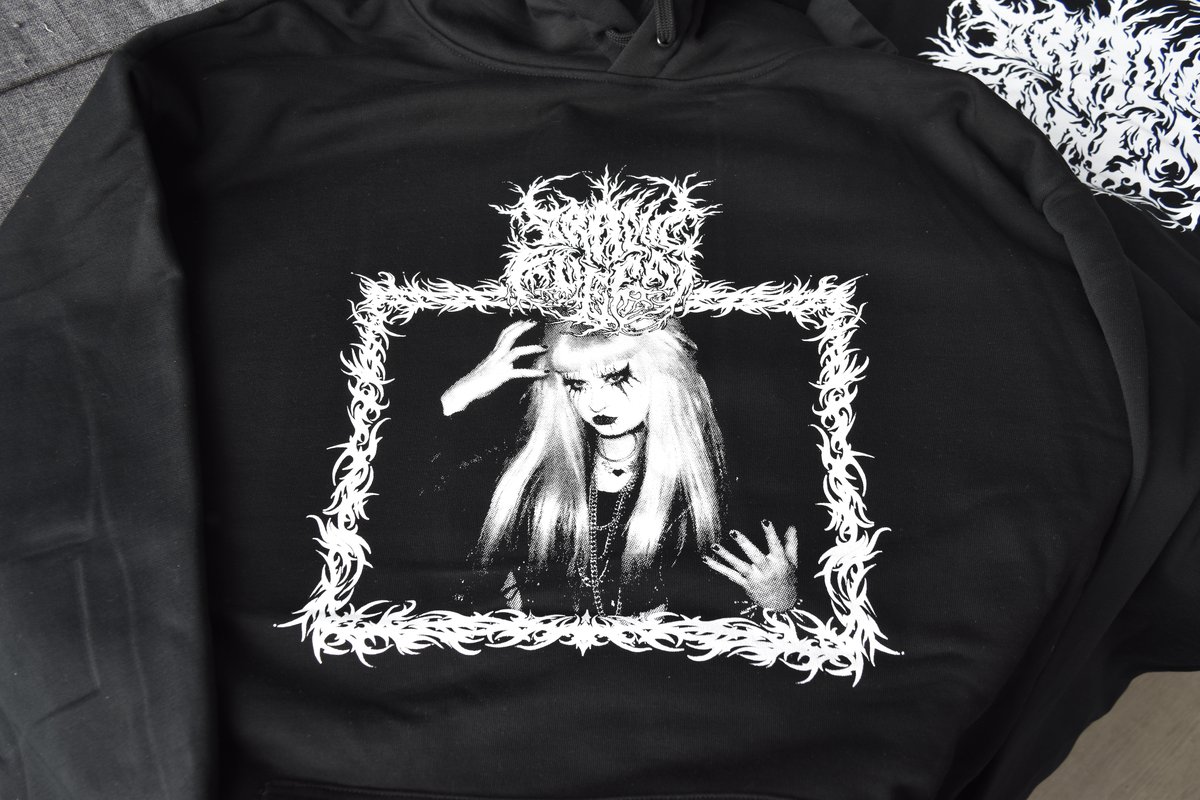
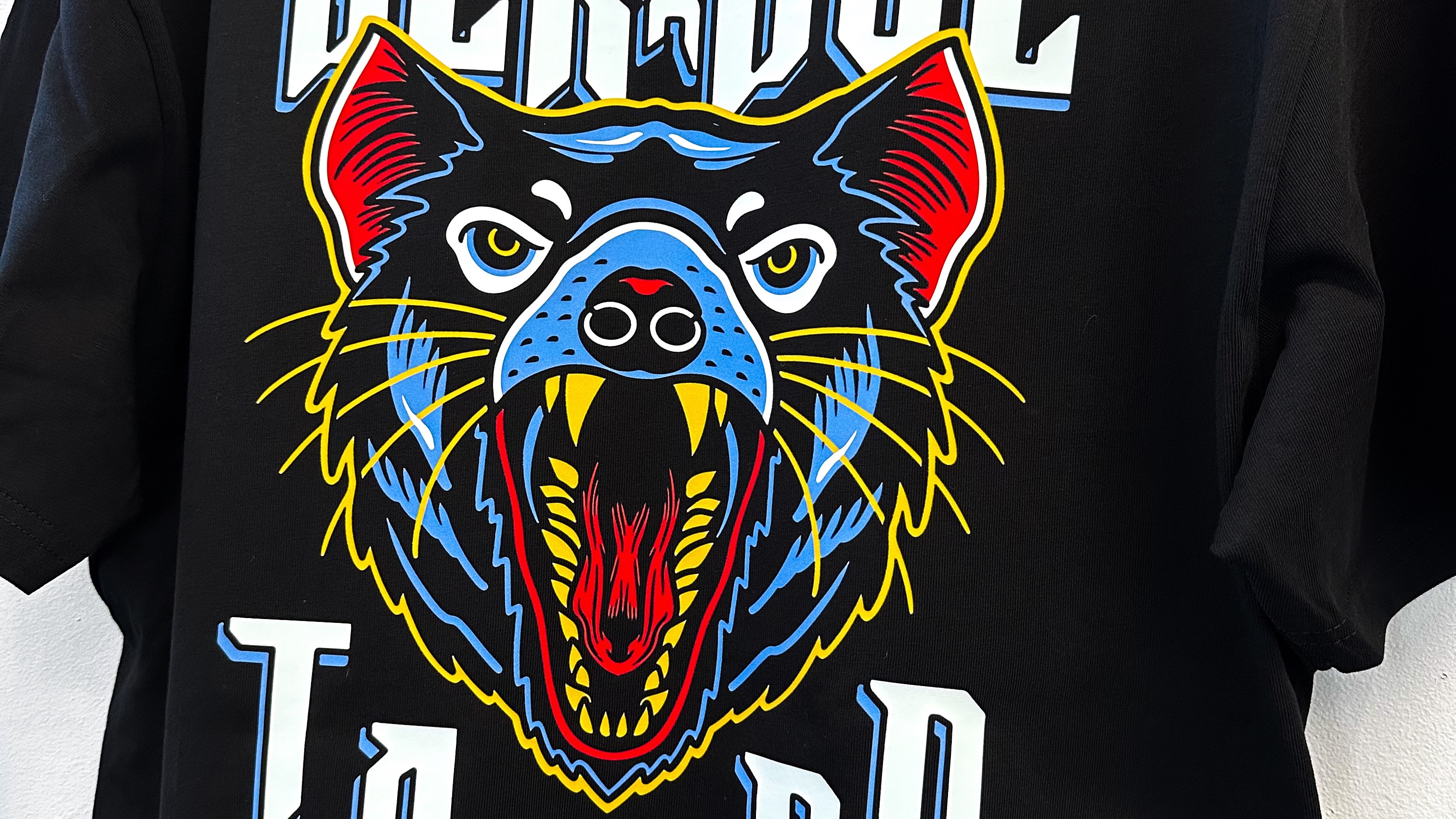
A flash design can have a life beyond the studio wall. On the right T-shirt, it becomes a piece of wearable artwork that clients can take home, gift to a friend or wear while they wait for their next appointment.
The trick is to treat the tee as its own canvas. A design that looks striking on a flash sheet may need a different scale, placement or level of detail to work on fabric. Here's how tattoo studios and artists can turn flash into merch while keeping the character of the original artwork.
Choose designs that work beyond the tattoo chair
A good starting point is artwork people already respond to. Which pieces get saved, shared or asked about in the studio? Which designs represent an artist's style at a glance?
You could build a tee around:
- A single, bold flash design
- A small collection of related motifs
- An artist's signature lettering
- A design created for a guest spot or studio anniversary
- An illustration inspired by a popular flash theme
A tee gives you room to use artwork that might be too large or detailed for a particular tattoo placement. It also reaches people who admire the work but are not ready to book it as a tattoo.
If the artwork was commissioned for a specific client, check the agreement and get their permission before using it on merch. For a first run, original flash that the artist has cleared for commercial use is usually the simplest place to begin.
Keep the artwork recognisable, but design for the garment
Tattoo flash is often viewed close up on paper or a phone. A T-shirt is seen from across a room, moves with the wearer and folds at the seams. Fine lines, tiny lettering and closely packed details may disappear at that distance.
Before approving a print, look at the artwork at its intended size. Consider whether it needs:
- Thicker lines in delicate areas
- More space between small details
- A simplified background
- Stronger contrast against the garment colour
- A different composition for the front or back of the tee
These changes should support the original design. You want the artist's style to come through clearly when the shirt is being worn.
Decide where the design belongs
A large back print gives detailed flash room to breathe. Pair it with a small studio mark on the front, and the tee can feel like a considered piece of merch rather than a uniform.
Other layouts can work just as well:
Full front print: Best for a bold design that can carry the whole garment.
Small chest print: A good spot for a symbol, lettering or a simplified version of the artwork.
Back print with front detail: Useful when you want the artist's illustration to lead and the studio identity to sit quietly alongside it.
Multiple small motifs: An option for a flash-sheet feel, provided the designs are spaced well and remain readable.
Print placement can change the character of the artwork, so ask to see a digital proof on the chosen garment before production.
Match the print method to the art and the run
Tattoo flash comes in many styles, from crisp black linework to shaded, colourful illustrations. The print method should suit both the artwork and the number of tees you plan to make.
Screen printing is well-suited to a larger run of a design with defined colours. It can be a strong option for a repeatable studio staple or a release you expect to sell in volume.
DTF printing gives you flexibility for detailed, multicolour work and smaller runs. It can be useful when you are testing an artist-led design or producing several designs in modest quantities.
If you are choosing between methods, send the original artwork, the garment colour and your expected quantity together. Melbourne Merch can advise on what will reproduce the details well and make sense for the order.
Make the tee feel like an artist release
A flash tee is more compelling when people know whose work they are wearing. Credit the artist in the product description, share the drawing process and show how the design looks on a person, not just in a mockup.
For a first drop, keep the range manageable. One strong design in a considered garment and colour can make a clearer statement than several rushed options. You can then use client feedback and sales to decide what comes next.
A sticker using the same artwork can give the release a smaller companion item. It works as an add-on, a gift with a tee or a way for clients to support an artist when their size has sold out.
Prepare the files before you order
Start with the cleanest version of the original artwork you have. Avoid sending a screenshot of a social post if the source file is available. Tell your printer the intended print size and point out details you want to preserve, especially fine lines, shading and lettering.
Before giving final approval, check the proof for scale, placement, colours and artist credit. It is much easier to adjust those details on screen than after the tees have been printed.
A good flash tee should still feel unmistakably like the artist's work. If you have a design ready to take off the wall and onto a garment, send it to Melbourne Merch with your preferred tee, quantity and deadline. The team can help you choose a print method and prepare the artwork for production.